

Understanding the Differences in Horse Bits
Horse bits are essential tools in equine management and training, serving as a primary communication channel between rider and horse. However, with a wide array of bits available, choosing the right one can be daunting. This article explores the differences between various types of horse bits and their specific purposes.
Types of Horse Bits
Horse bits can be broadly categorized into two types: snaffle bits and curb bits. Each category contains numerous variations designed to achieve different levels of control and comfort.
Snaffle Bits
1. Eggbutt Snaffle: The eggbutt snaffle is a popular choice for beginners due to its gentle action. It features a fixed, oval-shaped ring that prevents the bit from pinching the horse’s lips. The direct pressure applied to the mouth helps the rider communicate with clarity.
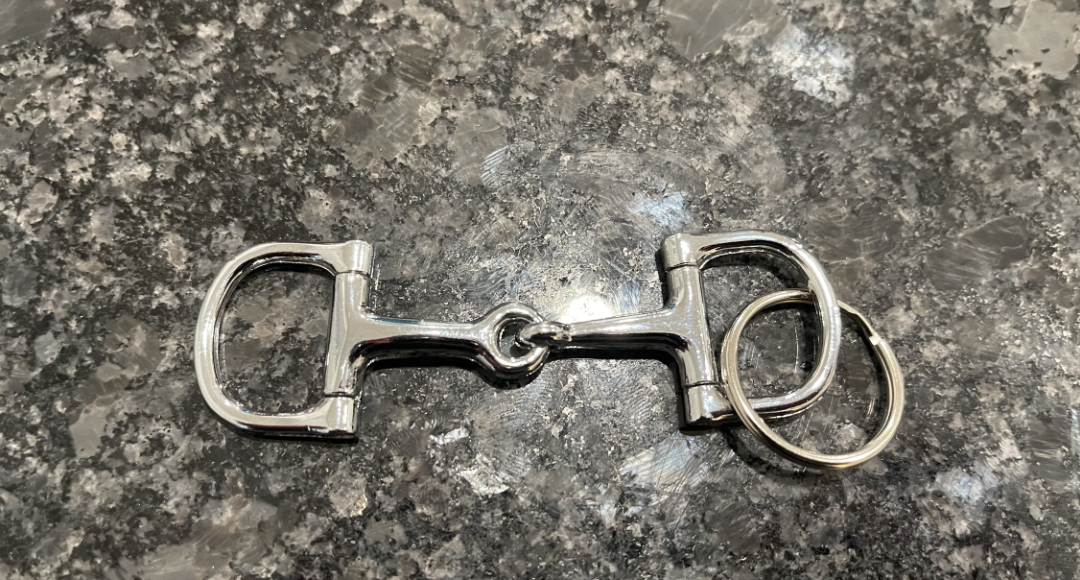
2. D-Ring Snaffle: The D-ring snaffle offers a similar action to the eggbutt but with D-shaped rings. These rings provide more lateral stability, making it a suitable option for young or inexperienced horses requiring additional guidance.
3. Loose Ring Snaffle: This bit features loose rings that rotate freely. The loose rings encourage the horse to play with the bit, promoting relaxation and salivation. However, it requires a more experienced hand to prevent pinching.
Curb Bits
1. Pelham Bit: The Pelham bit combines elements of both snaffle and curb bits. It features two sets of reins: one for direct pressure on the mouth and the other for leverage action on the poll and chin. This versatility makes it suitable for various riding disciplines, particularly for horses needing a higher level of control.
2. Weymouth Bit: Commonly used in dressage, the Weymouth bit is a type of curb bit that applies pressure to the horse’s poll, chin, and mouth. It works in conjunction with a bradoon (a small snaffle bit) to provide precise communication and refined control.
3. Western Curb Bit: The Western curb bit, often seen in Western riding disciplines, features shanks of varying lengths and designs. The shanks create leverage, applying pressure to the horse’s chin and poll, which helps control the horse’s speed and movement. The severity of the bit depends on the length and shape of the shanks.
Material and Mouthpieces
Apart from design, the material and mouthpiece style significantly influence the bit’s effectiveness and comfort.
1. Material: Bits are commonly made from stainless steel, sweet iron, copper, and synthetic materials. Stainless steel is durable and resistant to rust, while sweet iron encourages salivation, which can be beneficial for some horses. Copper and synthetic bits are also popular for their ability to promote a moist and responsive mouth.
2. Mouthpieces: Mouthpieces vary in shape, thickness, and design. Common styles include single-jointed, double-jointed, mullen mouth, and ported bits.
- Single-Jointed: The single-jointed bit has one joint in the middle, applying pressure to the horse’s bars and palate. It creates a nutcracker effect, which can be severe if not used correctly.
- Double-Jointed: Featuring two joints, this bit distributes pressure more evenly across the tongue and bars. It is generally milder than single-jointed bits.
- Mullen Mouth: This bit has a straight bar with no joints, offering consistent pressure across the mouth. It is suitable for horses with sensitive mouths.
- Ported Bits: These bits have a raised section in the middle, creating space for the tongue. The height and shape of the port can influence the bit’s severity.
Choosing the Right Bit
Selecting the right bit depends on various factors, including the horse’s temperament, level of training, and the rider’s experience. It is crucial to understand that a bit should complement training rather than replace it. Proper fit and regular checks are essential to ensure the bit does not cause discomfort or injury.
Consulting with experienced trainers and equine dentists can provide valuable insights into choosing the most suitable bit for your horse. Experimenting with different types under professional guidance can also help identify the best option that promotes effective communication and enhances the overall riding experience.
Conclusion
Horse bits play a pivotal role in riding and training, offering a means of communication between rider and horse. Understanding the differences between various types of bits, their materials, and mouthpiece designs can help riders make informed decisions, ensuring comfort and control. Ultimately, the right bit fosters a harmonious relationship, enhancing both performance and the welfare of the horse.